Get Tree Relocation in Denver, CO
Tree relocation services help Denver property owners safely move large trees during construction, landscaping, or property renovations, handled by experienced local contractors.
If you are considering relocating a tree on your property in Denver, CO, you are in the right place to explore your options. Property owners often seek tree relocation services to improve landscape design, create space for new construction, or address safety concerns. Comparing local contractors who specialize in this work can help ensure the project is planned and executed smoothly, with professionals who understand the unique conditions of the Denver area.
Continuing with your planning process involves evaluating different service providers to find those best suited for your specific needs. Local contractors can offer insights into the best practices for relocating trees in Denver’s climate and soil conditions. Keep reading to discover how connecting with experienced professionals can support your project, whether for aesthetic improvements or property management.
- Tree relocation - needed when a mature tree is obstructing new construction or infrastructure projects in neighborhoods like Capitol Hill or Wash Park.
- Large tree transplanting - required when preserving valuable trees during property development or landscape redesigns in areas such as Highlands or Lowry.
- Urban tree moving - suitable for city projects where trees in public spaces or along streets in Denver neighborhoods need to be relocated.
- Tree transplant services - utilized when homeowners or developers want to move existing trees to new locations on residential or commercial properties.
- Tree planting and relocation - necessary for landscape updates or to improve property aesthetics in suburban areas around Denver suburbs like Aurora or Lakewood.
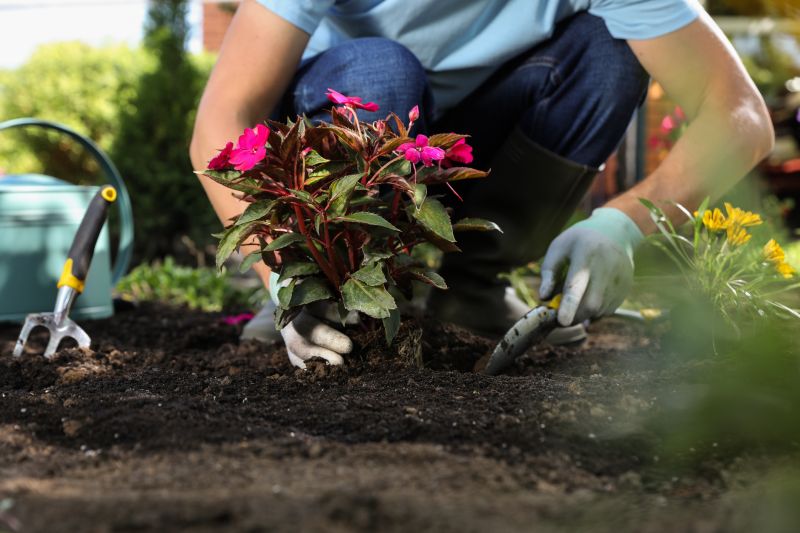
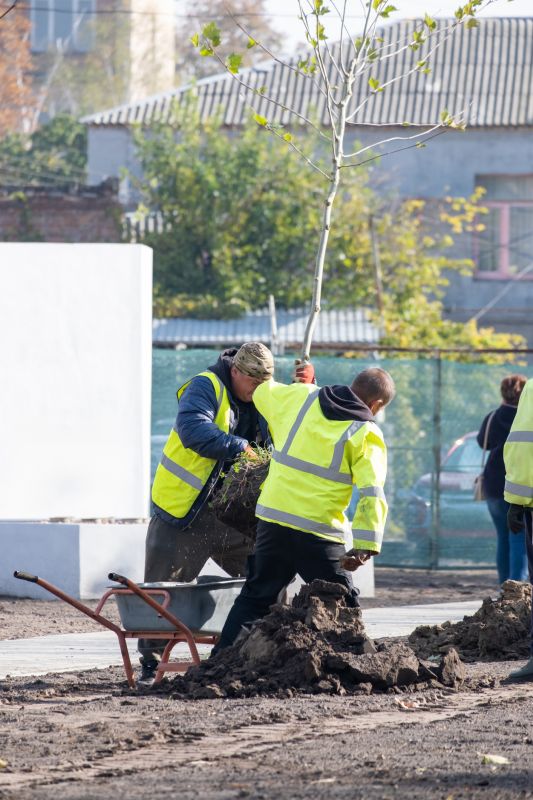
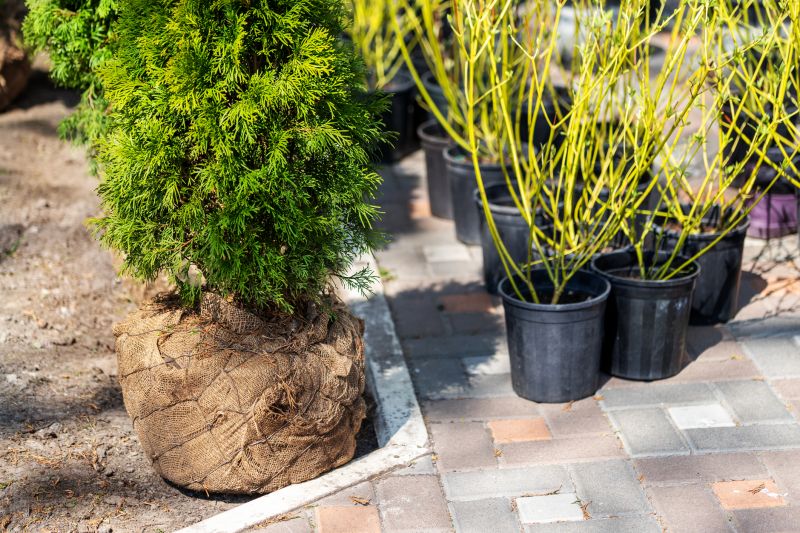
Tree relocation services involve carefully digging up a mature or established tree and transporting it to a new location on the property or elsewhere. This process requires specialized equipment and techniques to ensure the tree’s roots, trunk, and canopy are preserved during the move. Once the tree is safely removed from its original site, it is transported with care to prevent damage, then replanted and stabilized in its new location. Tree relocation is often used when property development, landscaping redesigns, or construction projects require the removal of existing trees that are valuable or significant to the landscape.
This service helps address problems related to space limitations, construction constraints, or landscape redesigns that necessitate the removal of mature trees without sacrificing their presence on the property. For example, homeowners planning additions or renovations might find that a large tree obstructs building plans. Rather than removing the tree permanently, a tree relocation can preserve the mature specimen and retain the aesthetic or shade benefits it provides. It also offers a solution for protecting significant trees during development projects, ensuring they are moved safely and remain healthy in their new setting.
Properties that typically use tree relocation services include residential homes with established gardens, commercial properties with mature landscaping, and parks or community spaces aiming to preserve existing trees. Large, valuable trees-such as oaks, maples, or elms-are often candidates for relocation because of their size and importance to the landscape. These services are also useful for property owners who want to reconfigure their outdoor space while maintaining the natural features they’ve invested in. Whether for aesthetic reasons or to comply with new construction plans, many property types can benefit from the expertise of local contractors experienced in tree relocation.
Homeowners and property managers considering tree relocation should evaluate whether their trees are healthy and structurally sound enough for the move. The process is most suitable for trees that are relatively mature but not overly large or unstable. By working with experienced local service providers, property owners can ensure that the relocation is handled carefully and efficiently. This service offers a practical way to preserve valuable trees, enhance landscape design, and adapt outdoor spaces to changing needs without losing the natural beauty that established trees provide.
The overview below groups typical Tree Relocation projects into broad ranges so you can see how smaller, mid-sized, and larger jobs often compare in Denver, CO.
In many markets, a large share of routine jobs stays in the lower and middle ranges, while only a smaller percentage of projects moves into the highest bands when the work is more complex or site conditions are harder than average.
Smaller Tree Relocations - Many local contractors charge between $250 and $600 for routine tree moves involving small to medium-sized trees. These projects typically include minimal excavation and simple transportation, with most falling within this range. Larger, more complex jobs can exceed $600 but are less common.
Moderate-Sized Tree Transplanting - For trees that require careful digging and transportation over moderate distances, costs usually range from $600 to $1,500. Many projects fall into this band, especially in suburban areas around Denver where trees are of average size and complexity.
Full Tree Replacement - Complete removal and replacement of mature or large trees can cost between $1,500 and $4,000, depending on size and site conditions. While fewer projects reach this high, they are typical for large-scale landscaping or property upgrades.
Complex or Specialty Relocations - Very large, intricate, or high-risk relocations involving special equipment or permits can surpass $5,000. These jobs are less frequent but are handled by specialized local service providers for complex projects in Denver and surrounding areas.
Actual totals will depend on details like access to the work area, the scope of the project, and the materials selected, so use these as general starting points rather than exact figures.
Stump Removal - professionals who safely remove tree stumps often use similar tools and planning skills as those involved in tree relocation projects.
Land Clearing Services - land clearing requires coordination of heavy equipment and planning, similar to the logistics involved in moving large trees.
Tree Pruning and Trimming - skilled arborists utilize precise planning and tools, which are also essential for preparing trees for relocation.
Site Preparation for Landscaping - preparing a site for new landscaping involves planning and equipment use comparable to tree handling and placement.
Storm Damage Cleanup - removing fallen or damaged trees involves similar safety procedures and equipment as those used in tree relocation.
Heavy Equipment Operation - operators skilled in using cranes, loaders, and other machinery are vital for safely handling large trees during relocation projects.
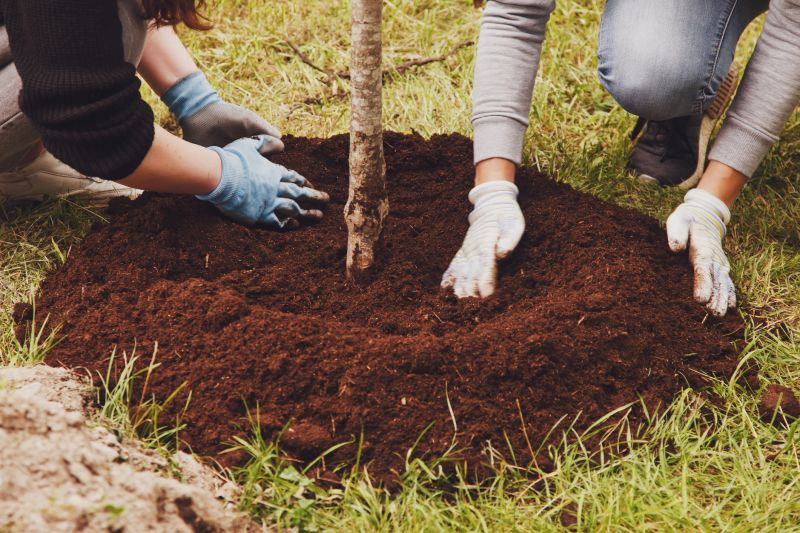
When comparing service providers for tree relocation projects in Denver and nearby areas, it’s important to consider their experience with similar types of projects. Homeowners should look for local contractors who have a proven track record of successfully handling tree relocation jobs comparable in size and scope. Asking about past projects or requesting references can provide insight into their familiarity with the specific challenges involved in moving mature trees, ensuring that the contractor understands the nuances of such work.
Clear, written expectations are essential to avoid misunderstandings and ensure that both parties are aligned on the scope of work. Homeowners should seek out providers who can offer detailed descriptions of their services, including the steps involved, equipment used, and any preparations needed. Having this information in writing helps establish a transparent process and provides a reference point throughout the project, making it easier to evaluate progress and address any concerns that may arise.
Effective communication and reputable references are key indicators of a reliable service provider. Homeowners should prioritize local contractors who are responsive, willing to answer questions, and provide straightforward information. Additionally, seeking out reviews or references from previous clients can help gauge the quality of work and professionalism. Remember, this site introduces people to local options that can handle the job, but it does not perform the work itself. Choosing a contractor with a history of clear communication and positive references can contribute to a successful tree relocation experience.
Property owners in Denver, CO use Tree Relocation services for practical projects around their homes and businesses. This guide focuses on everyday jobs and straightforward project options.
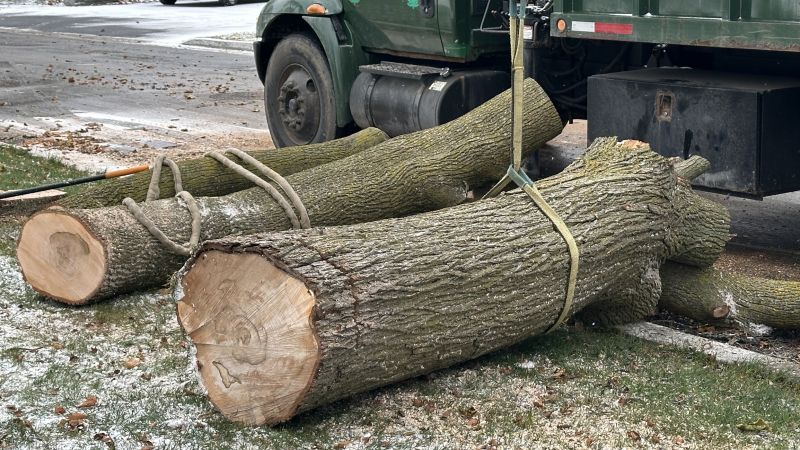
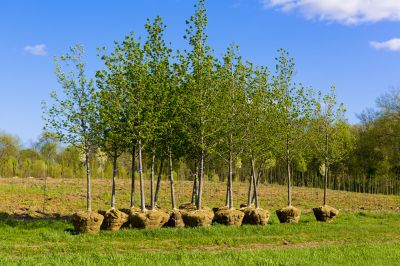
Tree relocation services are often needed when property owners in Denver, CO, are planning new construction projects or landscaping updates that require the removal or repositioning of mature trees. Whether a homeowner wants to preserve a cherished tree during a renovation or a commercial property needs to clear space for a new building, local contractors can handle the careful process of transplanting trees to a more suitable location on the property. These services are also useful when trees have become hazards near power lines, structures, or pathways, and need to be safely moved to prevent damage or safety concerns.
In addition, property owners might seek tree relocation when facing issues like roots interfering with underground utilities or drainage systems, or when a tree has grown too close to a structure and poses a risk. Denver residents often turn to experienced service providers to help manage these situations efficiently, ensuring the health of the tree is maintained during the move and that the new location supports its growth. Connecting with local contractors who specialize in tree relocation can provide solutions that align with the specific needs of properties in the Denver area.
What is involved in relocating a tree? Tree relocation typically includes assessing the tree's health, preparing the new site, and carefully transplanting the root ball to ensure proper establishment.
Can any type of tree be moved? Not all trees are suitable for relocation; factors like size, species, and health influence whether a tree can be successfully transplanted by local contractors.
How do local service providers handle large or mature trees? Experienced contractors use specialized equipment and techniques to safely move large or mature trees to new locations.
What should be considered when choosing a new planting site? Factors such as soil quality, space, sunlight, and proximity to structures are important considerations for a successful tree relocation.
Are there specific seasons that are better for relocating trees? While not asked about timelines, many local pros recommend planting during certain seasons to promote healthy establishment, depending on the tree species.
Tree Relocation Planning - Property owners can explore options for moving mature trees to improve landscaping or create more space in their yard.
Landscape Enhancement - Moving existing trees can help redesign outdoor areas, such as adding patios or garden features without losing established greenery.
Property Development - Developers may use tree relocation services to preserve trees during construction projects or to meet local landscaping requirements.
Environmental Improvement - Homeowners looking to enhance privacy or create natural windbreaks can consider relocating trees to strategic locations on their property.
If you are thinking about Tree Relocation for a property in Denver, CO, this guide is meant to help you understand the work, the typical project types, and how different options might fit your plans.
When you are ready, you can use the quote form on this page to share a few details about your project. From there, local pros can review the basics and respond with options that match what you have in mind.