Privacy Trees Planting in Honolulu, HI
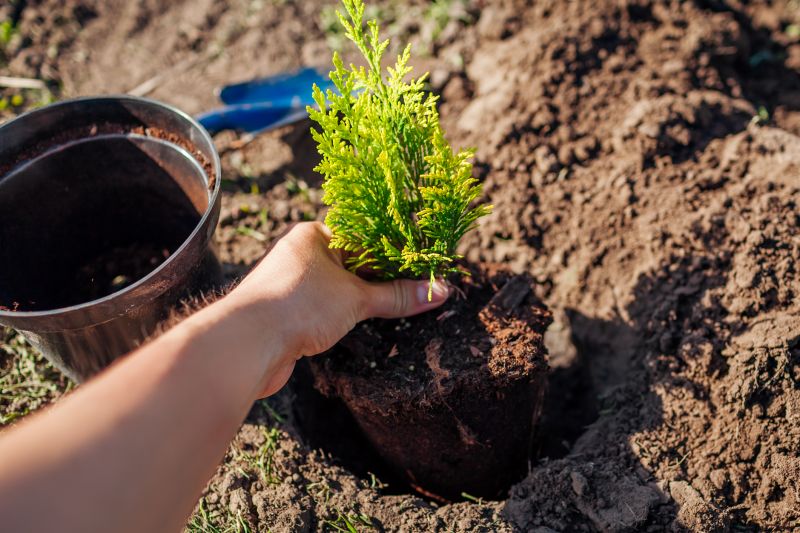
Privacy Trees Planting services focus on installing trees that enhance privacy and create natural barriers on residential properties. These projects often involve selecting and planting tall, dense trees such as cypress, arborvitae, or other evergreen species that can serve as a visual screen. Homeowners typically request this service to increase seclusion from neighbors, block unwanted views, or define property boundaries while maintaining an attractive landscape. Before requesting privacy tree planting, property owners should consider factors like the available space, soil conditions, and the mature size of the trees to ensure they fit well within the landscape and do not interfere with structures or utility lines.
Property owners interested in privacy trees often want to understand the specific types of trees suitable for their climate and soil, as well as the ongoing care required for healthy growth. It’s also helpful to think about the desired height and density of the screen, along with any local regulations or neighborhood guidelines that might influence planting choices. Clarifying these details can help ensure the selected trees meet privacy goals and contribute to a sustainable, attractive landscape.
Many property owners in Honolulu, HI look into Privacy Trees Planting for repairs, replacements, upgrades, and appearance-related improvements.
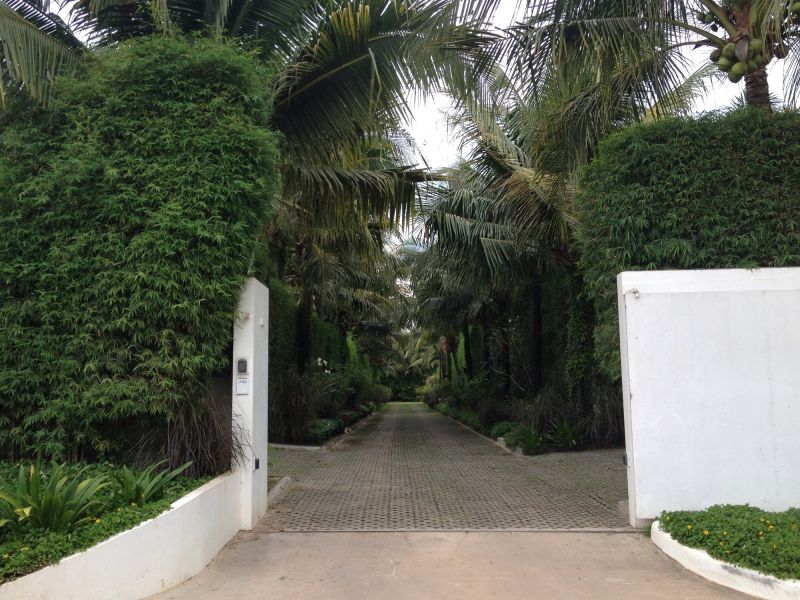
Privacy Tree Selection
Choosing the right trees can enhance privacy while complementing your landscape.
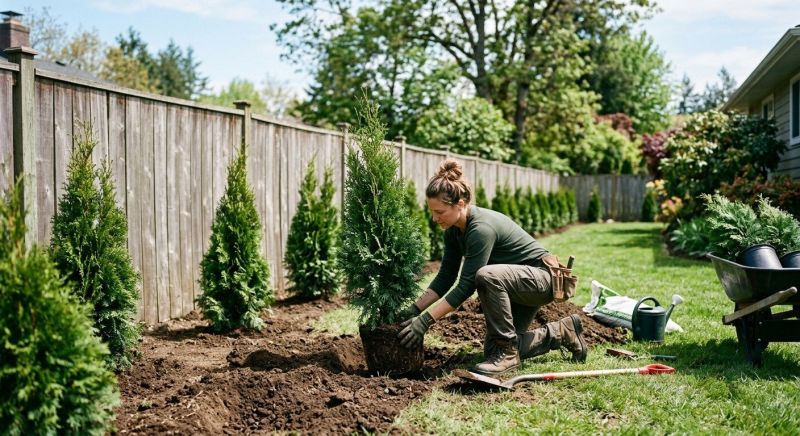
Planting And Maintenance
Proper planting and ongoing care help ensure healthy, dense privacy screens.
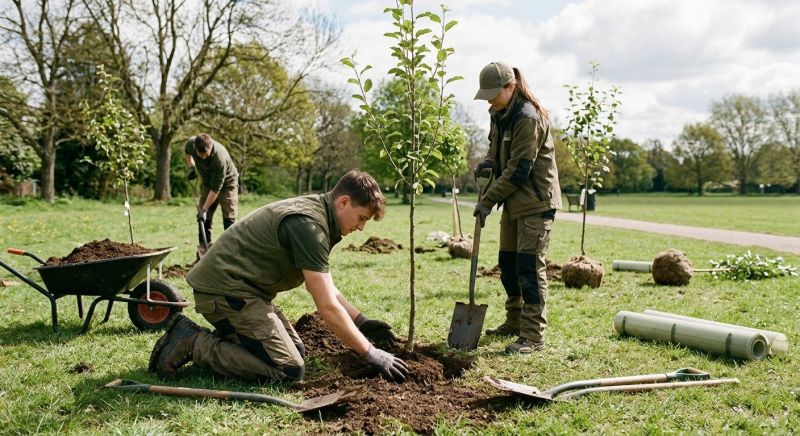
Design For Privacy
Strategic placement of trees creates natural barriers around residential and commercial properties in honolulu.
Privacy Trees Planting in Honolulu, HI
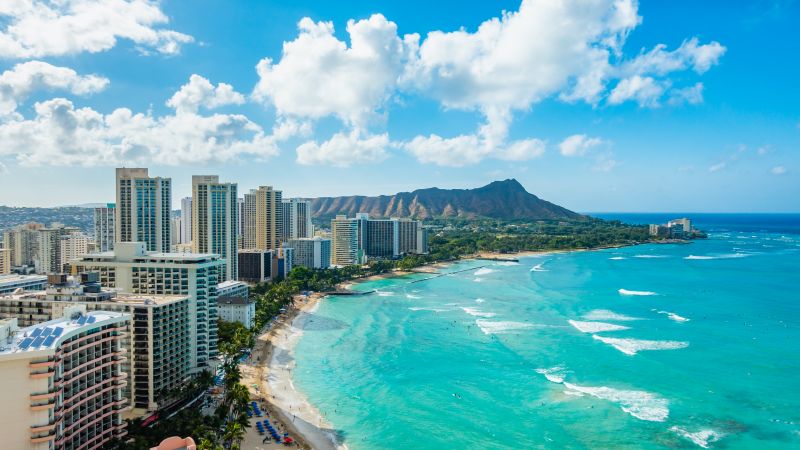
Privacy Trees Planting services focus on installing trees that enhance privacy and create natural barriers on residential properties. These projects often involve selecting and planting tall, dense trees such as cypress, arborvitae, or other evergreen species that can serve as a visual screen. Homeowners typically request this service to increase seclusion from neighbors, block unwanted views, or define property boundaries while maintaining an attractive landscape. Before requesting privacy tree planting, property owners should consider factors like the available space, soil conditions, and the mature size of the trees to ensure they fit well within the landscape and do not interfere with structures or utility lines.
Property owners interested in privacy trees often want to understand the specific types of trees suitable for their climate and soil, as well as the ongoing care required for healthy growth. It’s also helpful to think about the desired height and density of the screen, along with any local regulations or neighborhood guidelines that might influence planting choices. Clarifying these details can help ensure the selected trees meet privacy goals and contribute to a sustainable, attractive landscape.
Many property owners in Honolulu, HI look into Privacy Trees Planting for repairs, replacements, upgrades, and appearance-related improvements.
Common Privacy Trees Planting Jobs
Tree planting projects - new trees are added to enhance property landscapes and provide shade.
Reforestation efforts - trees are planted to restore and expand natural green areas.
Community tree initiatives - groups organize planting events to improve neighborhood environments.
Private property planting - trees are installed to increase privacy and curb appeal.
Environmental restoration - planting trees supports local ecosystems and promotes biodiversity.
Urban greening projects - trees are integrated into city landscapes to improve air quality and aesthetics.
Privacy Trees Planting Questions
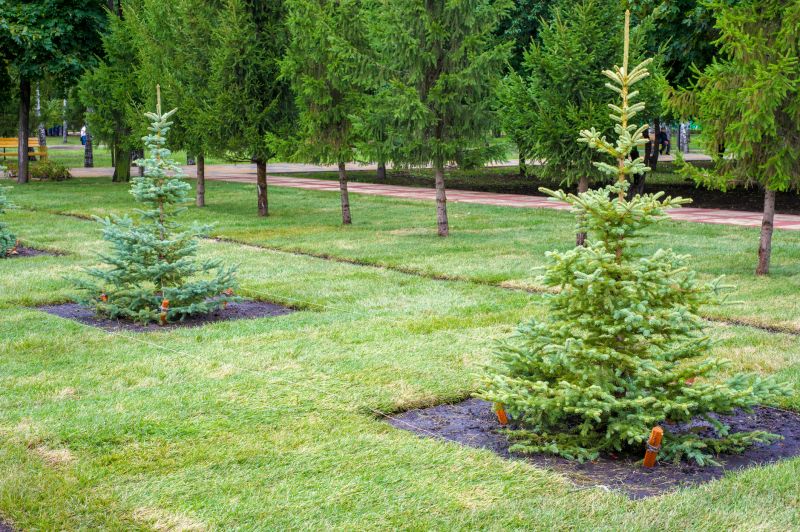
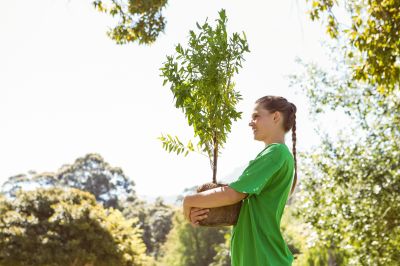
What are privacy trees? Privacy trees are tall, dense plantings used to create natural screens that block views and provide seclusion on a property.
Which types of trees are suitable for privacy purposes? Fast-growing evergreen species like ficus, leyland cypress, and certain palms are commonly used for privacy screens.
How should privacy trees be planted for best results? They should be spaced appropriately and planted in locations that maximize coverage while considering sunlight and soil conditions.
Are privacy trees maintained after planting? Regular watering, pruning, and occasional fertilizing help maintain their health and screening effectiveness over time.
Request Privacy Trees Planting in Honolulu, HI
Use the quote form on this page to share the basics of your project and request more information for the type of work you need.