Optimal Timing for Tree Relocations
Tree relocations are most successfully performed during specific times of the year when trees are in dormancy or actively growing. The timing of the move can significantly impact the health and survival rate of the tree after relocation.
Early spring before leaf emergence is ideal for relocating trees, as they are entering dormancy and can recover more easily.
Late fall, after leaves have fallen, is another optimal period, allowing trees to establish roots before winter dormancy.
Summer months are generally unsuitable due to high temperatures and increased stress on the tree, which can hinder recovery.
Local climate conditions influence timing; in colder regions, spring and fall are preferred, while in milder climates, timing may be more flexible.

A tree being carefully prepared for relocation during early spring.

A mature tree being moved in late autumn, with leaves fallen.
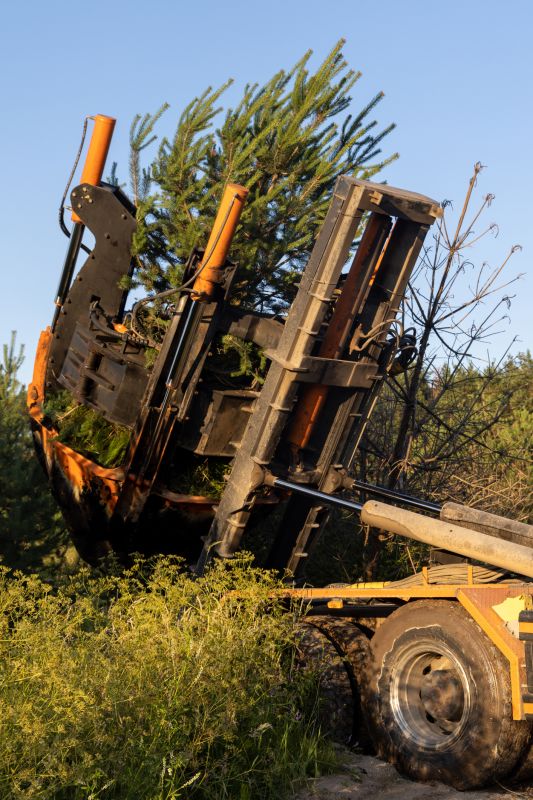
Tools and machinery used to safely move large trees during optimal seasons.

Ways to make Tree Relocations work in tight or awkward layouts.
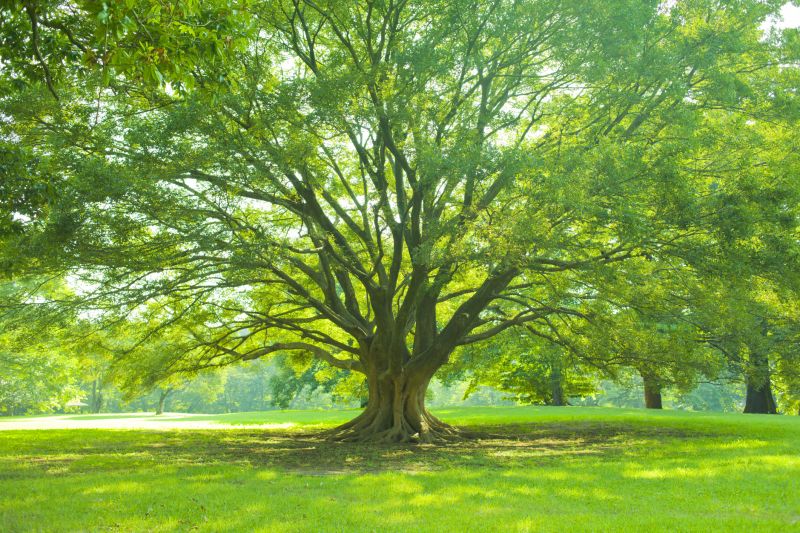
Popular materials for Tree Relocations and why they hold up over time.
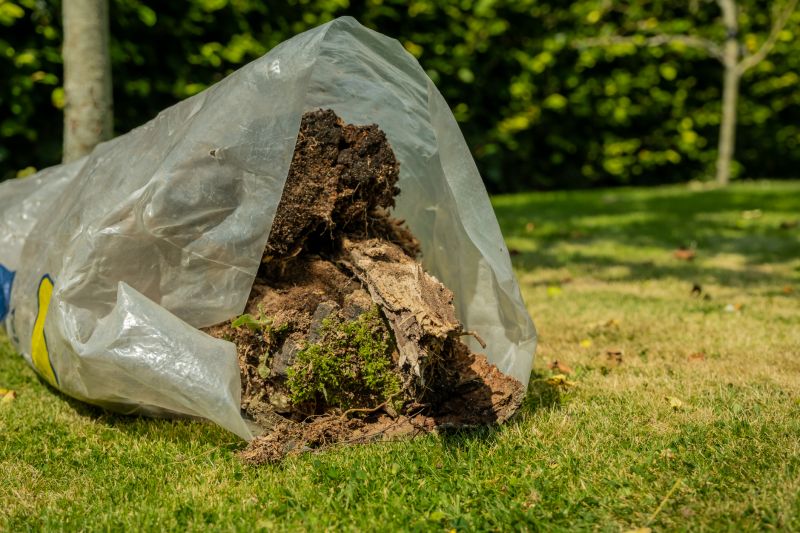
Simple add-ons that improve Tree Relocations without blowing the budget.
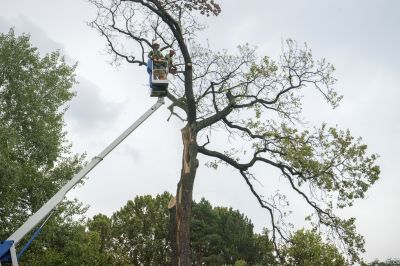
High-end options that actually feel worth it for Tree Relocations.

Finishes and colors that play nicely with Tree Relocations.
| Season | Advantages |
|---|---|
| Spring | Trees are in dormancy, root systems recover quickly. |
| Fall | Prepares trees for winter dormancy, reduces stress. |
| Summer | Not recommended due to heat stress. |
| Winter | Generally unsuitable due to cold and frozen soil. |
Tree relocations require careful planning and timing to ensure the health and longevity of the transplanted tree. Proper timing minimizes stress and enhances the chances of successful establishment in its new location. The process involves assessing the tree's species, size, and local climate conditions to determine the most suitable period for relocation.
Statistics indicate that trees moved during optimal seasons have a higher survival rate, often exceeding 80%. Moving trees outside of these periods can result in increased mortality due to stress, dehydration, and disease susceptibility. Proper preparation, including root pruning and watering, complements the timing for better outcomes.

A tree being prepared for transplant in early spring.
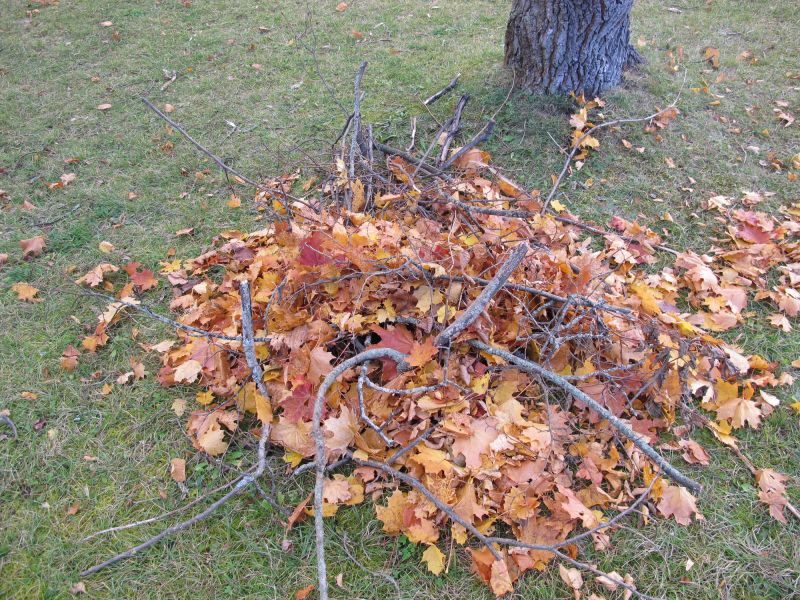
A tree during the process of being moved in late autumn.
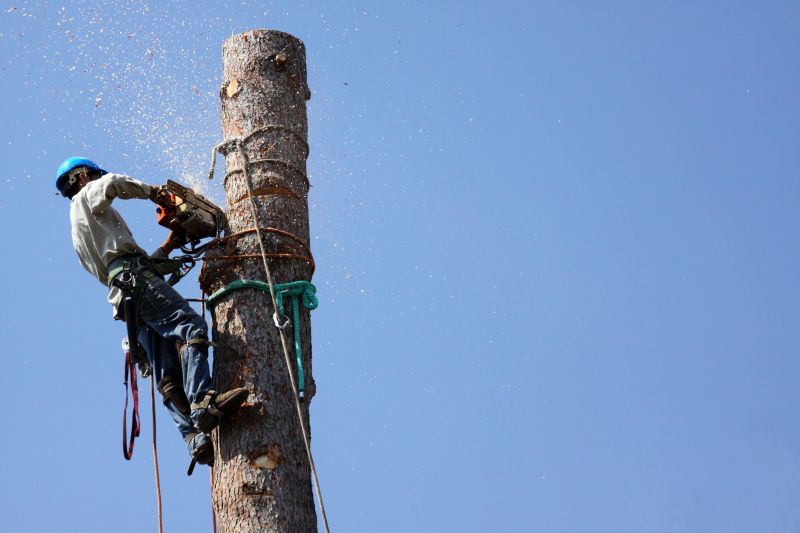
Specialized equipment used for safe relocation of large trees.

Little measurements that prevent headaches on Tree Relocations day.
A 60-second routine that keeps Tree Relocations looking new.
A frequent mistake in Tree Relocations and how to dodge it.
A: It varies by species and size, but typically several years are needed for full establishment.
A: Most deciduous and some coniferous trees can be relocated successfully when done at the right time.
A: Tree species, size, health, soil conditions, and timing all play roles in success.
A: Yes, heavy machinery and root pruning tools are typically required for large or mature trees.